
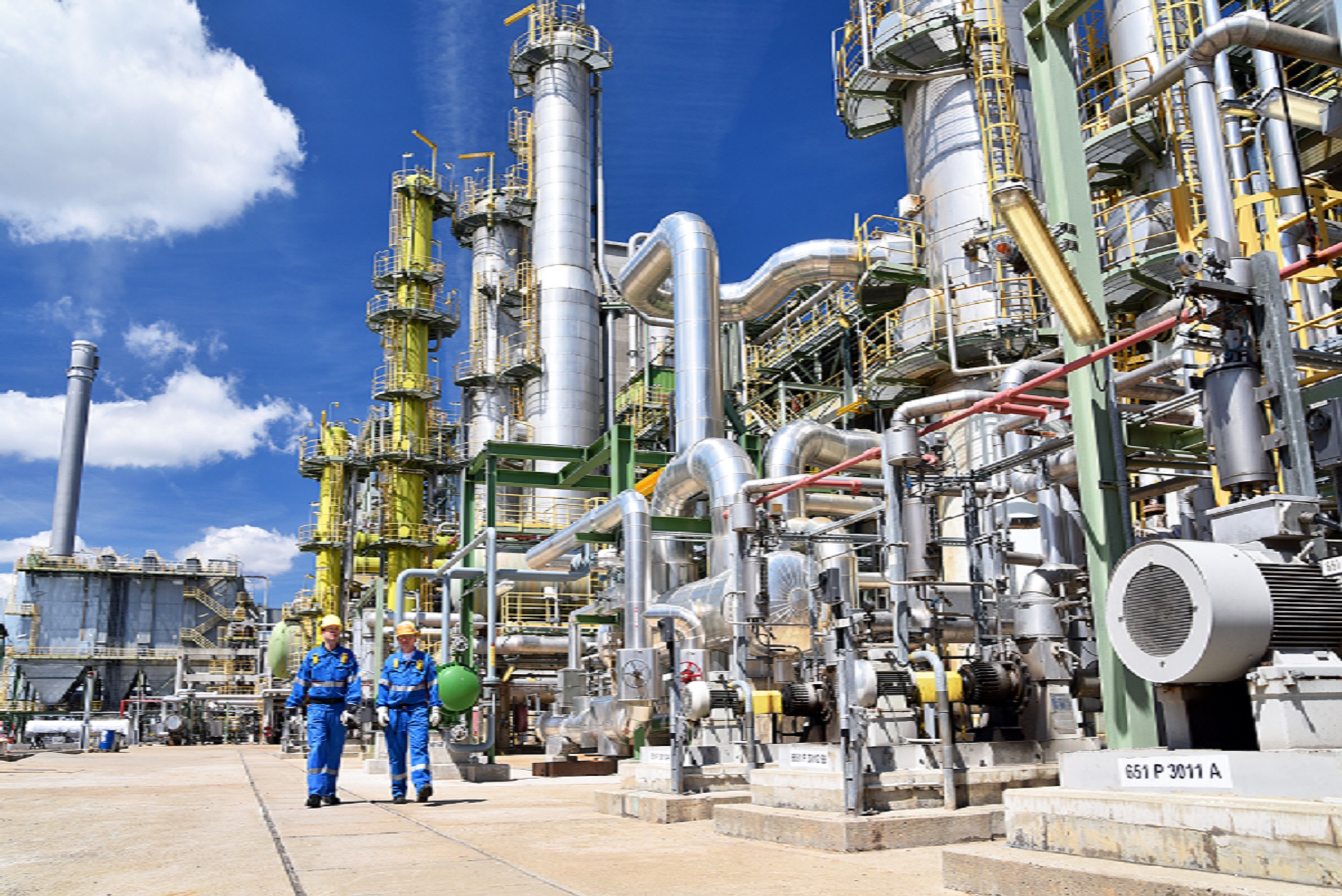
Chemical injection refers to
Protects infrastructure from damage, reducing maintenance costs.
Ensures that petroleum products meet industry standards and remain stable during storage and transportation.
Prevents blockages, scale, and corrosion, ensuring uninterrupted operations.
Mitigates the environmental impact of operations by reducing leaks and spills caused by infrastructure degradation.
Corrosion poses a significant threat to pipelines, storage tanks, and other petroleum infrastructure. Chemical inhibitors protect these systems by forming a protective barrier on metal surfaces, preventing oxidation and corrosion.
Mineral scale buildup in pipelines and equipment can impede flow and damage infrastructure. Scale inhibitors prevent this buildup by altering the crystal growth process of minerals like calcium carbonate.
In colder environments, hydrates (solid ice-like structures) can form and block pipelines. Chemical injection of hydrate inhibitors prevents these formations, ensuring smooth operations.
Chemical injection enhances the stability of fuels like diesel, preventing oxidation and sludge formation during storage.
Paraffin wax deposition can clog pipelines, reducing efficiency. Wax inhibitors lower the pour point of petroleum, preventing wax crystallization.
In oilfield operations, chemical injection is used for water treatment to prevent scaling, corrosion, and microbial growth in water used for drilling or injection.
Despite its advantages, chemical injection comes with challenges:
Advanced injection systems use sensors and IoT technology to monitor real-time conditions and adjust chemical dosage automatically. This ensures optimal efficiency and reduces waste.
Automation reduces the need for manual intervention, minimizing human error and improving precision.
Artificial intelligence analyzes historical data to predict chemical requirements, optimizing injection processes.
A Houston-based refinery implemented a chemical injection program targeting corrosion and scale. The program reduced pipeline downtime by 40% and extended infrastructure life by 15 years.
A petroleum storage facility in Jurong introduced advanced hydrate inhibitors in its subsea pipelines. The initiative prevented blockages during winter months, ensuring uninterrupted operations.
The future of chemical injection lies in innovation and sustainability. Upcoming trends include:
Chemical injection is a cornerstone of petroleum maintenance and quality assurance, addressing challenges ranging from corrosion to fuel stability. By embracing advanced technologies and best practices, the petroleum industry can maximize the effectiveness of chemical injection, ensuring operational excellence and sustainability.
Tris Hispania Sl. continues to lead the way in providing state-of-the-art chemical injection services, offering tailored solutions that meet the diverse needs of the petroleum industry.
We specialize in:
We cater to a wide range of industries, including:
We have operations in four strategic locations:
We produce a variety of industrial chemicals, including:
You can reach us through the Contact Us page on our website or by emailing us at contact@trisschemicals.com. Our team will respond promptly to discuss your needs and provide a customized solution.

Accurate dip testing helps companies monitor stock levels and plan procurement or distribution effectively.
By verifying the product’s specifications, dip tests ensure compliance with regulatory and contractual standards.
For buyers and sellers, dip tests confirm that transactions meet agreed-upon specifications.
Dip testing can detect inconsistencies or adulteration in petroleum products, protecting companies from financial losses.
Despite its widespread adoption, traditional dip testing methods have several limitations:
Human Error: Manual measurements can lead to inaccuracies, especially in high-pressure environments.
Environmental Factors: Temperature fluctuations, humidity, and tank conditions can affect measurement reliability.
Time-Consuming: Manual dip testing can be labor-intensive and slow, especially for large-scale operations.
Data Integrity: Recording and interpreting measurements manually increases the risk of data loss or misinterpretation.
Incompatibility with Modern Standards: Traditional methods may struggle to meet the precision required by modern industry certifications like ISO 17025 and API.
The integration of advanced technologies has revolutionized dip testing, addressing many of its traditional challenges. Here are some key innovations:
Automated systems use sensors and real-time data analysis to perform dip tests with unparalleled accuracy. Key benefits include:
Reduced Human Error: Automation minimizes reliance on manual measurements.
Faster Results: Data is processed instantly, enabling quicker decision-making.
Scalability: Automated systems can handle large operations efficiently.
IoT-enabled dip test systems connect sensors to centralized databases, allowing for remote monitoring and management. Key features include:
Real-Time Data: Instant access to measurement data across multiple locations.
Predictive Maintenance: IoT systems can detect anomalies and alert operators to potential issues.
Enhanced Transparency: Stakeholders can access data remotely, ensuring accountability.
Modern dip test systems use high-precision sensors to improve measurement accuracy. Types of sensors include:
Ultrasonic Sensors: Measure liquid levels using sound waves.
Capacitive Sensors: Detect changes in electrical capacitance to determine liquid levels.
Thermal Sensors: Compensate for temperature variations to ensure consistent measurements.
AI and ML technologies analyze historical data to improve accuracy and predict trends. Applications include:
Error Detection: AI can identify and correct anomalies in real-time.
Trend Analysis: ML algorithms predict inventory needs based on historical data.
Custom Calibration: Systems adapt to specific tank conditions for optimal accuracy.
A major petroleum storage facility in Rotterdam adopted automated dip testing systems to enhance operational efficiency. Key outcomes included:
A 30% reduction in measurement errors.
Faster inventory reconciliation, saving approximately 50 hours per month.
Improved compliance with ISO 17025 standards.
In Fujairah, an oil terminal integrated IoT-enabled dip test systems across its storage tanks. Results included:
Real-time monitoring of 150+ tanks from a central control room.
Detection of a leak within minutes, preventing significant product loss.
Enhanced data sharing with clients, boosting trust and transparency.
To achieve optimal accuracy, companies should adopt the following best practices:
Regular Calibration: Ensure all dip test equipment is calibrated according to industry standards.
Environmental Compensation: Use systems that account for temperature, pressure, and other environmental factors.
Standardized Procedures: Implement consistent testing protocols across all facilities.
Training and Certification: Equip personnel with the knowledge and skills to operate advanced systems effectively.
Data Integration: Use centralized systems to store, analyze, and share measurement data securely.
The future of dip testing lies in further technological advancements and integration with broader industry trends. Key developments to watch include:
Blockchain for Data Integrity: Securely record dip test results on blockchain platforms to ensure data accuracy and immutability.
Augmented Reality (AR): AR tools could assist technicians in visualizing tank data and performing maintenance.
Sustainability-Focused Solutions: Develop systems that minimize waste and energy consumption during testing.
Global Standardization: Harmonizing dip test standards across regions to facilitate international trade.
As the petroleum industry continues to evolve, the accuracy of dip testing will remain a cornerstone of operational success. By embracing advanced technologies such as automation, IoT, and AI, companies can overcome the limitations of traditional methods and ensure precision, reliability, and compliance. For businesses invested in the future, modernizing dip test procedures isn’t just an option—it’s a necessity.
Tris Hispania Sl. is committed to pioneering these advancements, offering cutting-edge dip test solutions tailored to the needs of today’s petroleum industry. Contact us to learn more about how we can enhance the accuracy of your testing processes and drive your operations forward.
We specialize in:
We cater to a wide range of industries, including:
We have operations in four strategic locations:
We produce a variety of industrial chemicals, including:
You can reach us through the Contact Us page on our website or by emailing us at contact@trisschemicals.com. Our team will respond promptly to discuss your needs and provide a customized solution.
Copyright © The entirety of this site is protected by copyright © 2013–2024 Tris Hispania Sl. CIF B86793528 | All rights reserved.